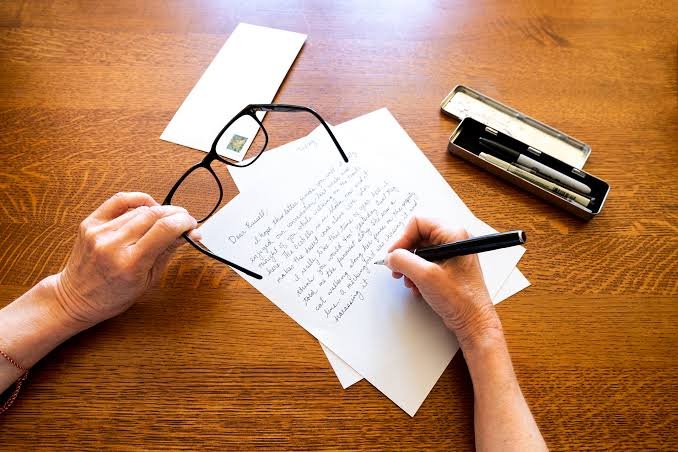
A handwritten note is imperfect. The letters lean in different directions, the ink fades, and mistakes are crossed out instead of deleted.
Yet, we remember handwritten words far longer than perfectly typed messages.
There is something deeply human about imperfections.
A notebook filled with ideas tells a story that no digital document can fully capture. It carries hesitation, excitement, revisions, and moments of inspiration. Every scratch and underline reflects a thought process.
Modern life, however, pushes us toward efficiency. We type faster, send messages instantly, and automate countless tasks. Convenience has become second nature.
But efficiency isn’t the same as connection.
A birthday card kept for years, a recipe written by a grandparent, or a note tucked inside a book holds emotional value because it represents effort.
Technology works best when it preserves these human moments instead of replacing them.
The most memorable products, services, and experiences aren’t always the fastest or smartest. They’re the ones that make people feel understood.
Perhaps the future isn’t about becoming more digital. Perhaps it’s about becoming more human in a digital world.
Speed solves problems, but meaning creates memories. The challenge isn’t to eliminate imperfections—it’s to ensure that, even in an increasingly automated world, we never lose the human touch.